
How It Can Push the Body to Dangerous Decisions
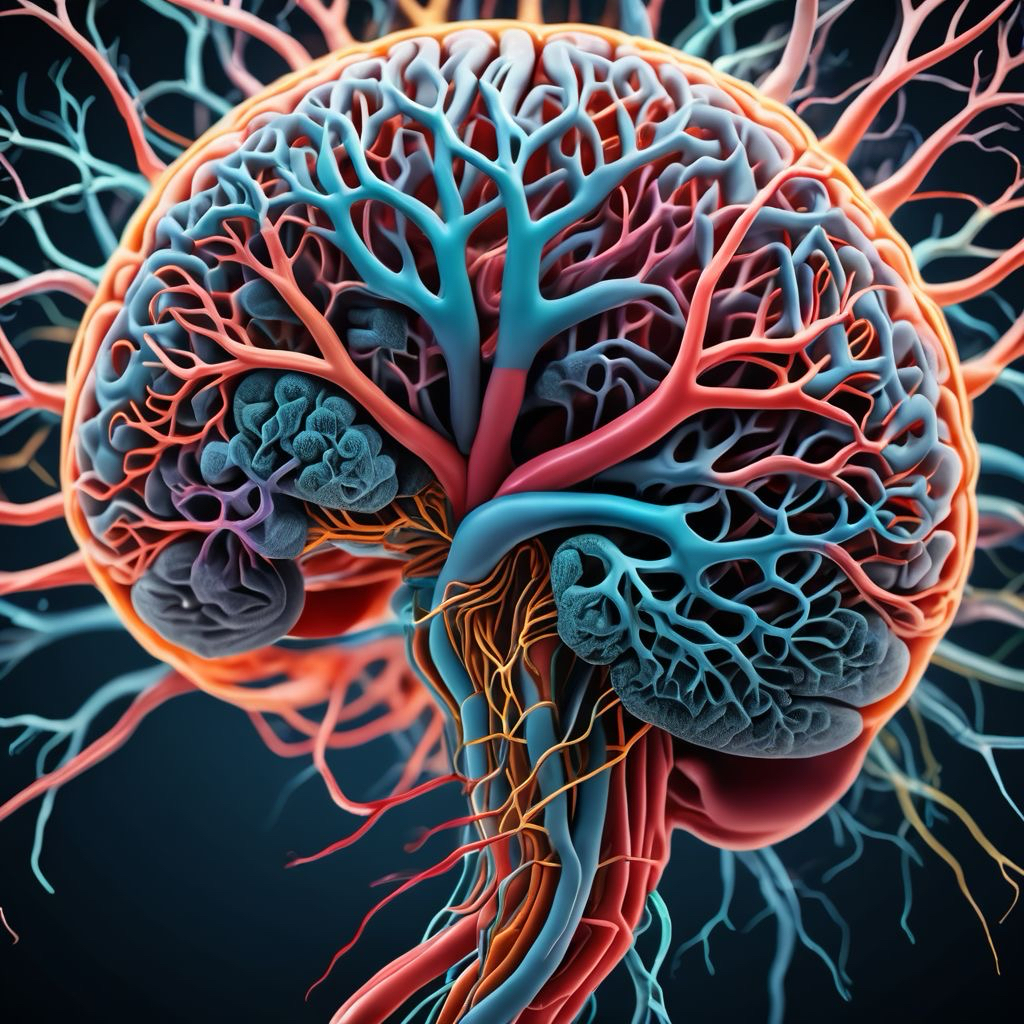
The brain is often viewed as a highly sophisticated and intelligent organ, responsible for making life-sustaining decisions. However, at times, the brain can make extreme decisions that lead to catastrophic consequences for the body. From triggering a stroke to pushing muscles into life-threatening actions, the brain’s mechanisms and decision-making processes can sometimes seem counterproductive, even destructive.
The Brain and Strokes: A Silent Sabotage
One of the most extreme decisions the brain can make is allowing itself to be vulnerable to a stroke. A stroke occurs when blood flow to a part of the brain is interrupted or reduced, depriving brain tissue of oxygen and nutrients. Within minutes, brain cells begin to die.
While the brain does not consciously decide to have a stroke, it can fail to act in ways that prevent one. For example, the brain can ignore or misinterpret signals like high blood pressure, prolonged stress, or other risk factors that increase the likelihood of a stroke. In fact, chronic stress causes an overproduction of cortisol, a hormone that can contribute to the hardening of blood vessels and eventually lead to a stroke. Despite having the ability to monitor and regulate bodily functions, the brain sometimes allows these damaging conditions to persist, pushing the body to a critical breaking point.
In cases where a stroke occurs due to a blocked artery, the brain, in a sense, “permits” the situation to unfold. It doesn’t immediately activate the necessary warning signals, such as severe headaches, dizziness, or even partial paralysis, which might prompt someone to seek immediate medical attention. As a result, the delay in response can allow the stroke to fully develop, leading to long-term damage or even death.
The Muscle-Brain Connection: Pushing the Body Beyond Safe Limits
The brain’s control over the muscles is another area where extreme decision-making can lead to life-threatening consequences. Normally, the brain communicates with muscles to help the body function smoothly. However, under certain circumstances, the brain may push the muscles to perform dangerous or even fatal actions.
For example, in situations of extreme stress or fear, the brain can release adrenaline and activate the fight-or-flight response. This can push muscles into overdrive, leading to phenomena such as adrenaline-induced superhuman strength. While this response can save lives in dangerous situations, it can also result in significant damage to the body. Muscles can tear, joints can be strained, and the heart can become overstressed from the surge of adrenaline. In rare cases, this extreme physical effort can even lead to cardiac arrest or respiratory failure.
In neurological disorders like epilepsy, the brain’s electrical activity becomes unregulated, leading to violent muscle contractions and seizures. These seizures can result in severe injury, as the brain essentially overrides the body’s normal functions, pushing muscles to act in chaotic and uncontrollable ways. This extreme miscommunication between the brain and the muscles can sometimes be fatal.
Overriding Survival Instincts
The brain’s tendency to make extreme decisions is also evident in cases of mental health disorders. Conditions such as anorexia nervosa, depression, or substance abuse are examples where the brain can turn against the body’s natural survival instincts. In individuals with anorexia, for instance, the brain makes decisions that override the need for nutrition and sustenance, leading to extreme weight loss and, in severe cases, organ failure or death.
Similarly, in severe depression, the brain can become so focused on negative thoughts and emotions that it neglects basic self-preservation behaviors. This can manifest in behaviors such as self-harm, reckless actions, or even suicide. These are tragic examples of how the brain, an organ responsible for keeping us alive, can sometimes lead individuals down a path of self-destruction.
When Neurological Pathways Become Dangerous
Neurological conditions like ALS (amyotrophic lateral sclerosis) and multiple sclerosis (MS) provide another example of how the brain can make extreme decisions with life-threatening consequences. In these disorders, the brain progressively loses control over the body’s voluntary muscles, leading to paralysis, difficulty swallowing, and respiratory failure.
In ALS, the brain’s motor neurons, responsible for sending signals to muscles, degenerate over time. This means that muscles gradually weaken and waste away because they are no longer receiving the proper signals from the brain. While ALS is not a conscious decision made by the brain, it reflects a breakdown in the brain’s ability to maintain healthy communication with the body. The result is a progressive, debilitating condition that eventually leads to death.
The Paradox of the Brain’s Complexity
One might wonder, why does the brain, an organ of such incredible complexity and intelligence, make such extreme and harmful decisions? The answer lies in the brain’s intricate and sometimes fragile balance of systems. The brain is responsible for regulating everything from emotions to physical movements, and when one of these systems becomes imbalanced, it can lead to a cascade of extreme consequences.
Stress, for example, can cause the brain’s regulatory mechanisms to become overwhelmed, leading to poor decision-making. In situations of chronic stress, the brain’s prefrontal cortex (responsible for rational thinking and decision-making) can become impaired, allowing the amygdala (the brain’s emotional center) to take over. This can lead to irrational, impulsive decisions that put the body at risk.
Additionally, the brain’s reliance on complex chemical signals and electrical impulses means that even minor disruptions can have significant effects. In conditions like epilepsy, for example, abnormal electrical activity in the brain can trigger seizures, while in mental health disorders, chemical imbalances can lead to dangerous behaviors.
Conclusion: The Brain’s Double-Edged Sword
The brain is a marvel of evolution, capable of incredible feats of intelligence, creativity, and problem-solving. However, it is also a delicate organ that can make extreme decisions with life-threatening consequences. From allowing strokes to occur, to pushing muscles beyond safe limits, to overriding basic survival instincts, the brain’s complexity is both its greatest strength and its greatest vulnerability.
Understanding the brain’s potential for extreme decision-making is crucial in preventing and managing neurological disorders and ensuring that the brain’s remarkable abilities are harnessed for the benefit, not the detriment, of the body. As we continue to study the brain, we uncover more about how it operates—and how sometimes, its greatest challenge is to protect itself from its own extremes.
 HealthyJo
wow, Amazing
LikeLiked by 1 person