
✨ Introduction
Over fourteen centuries ago, the Qur’an addressed the Prophet Muhammad ﷺ with a gentle yet powerful command:
“O you who are wrapped up in your garments, stand [to pray] the night except for a little…” — Surah Al-Muzzammil (73:1-2)
At first glance, this verse might seem purely spiritual — a call to worship and devotion.
However, modern science has begun uncovering something remarkable: waking up and engaging in mindful activity during the last part of the night has profound benefits on the body, brain, and emotional health.
This convergence between revelation and research highlights the Qur’an’s timeless harmony with human nature.
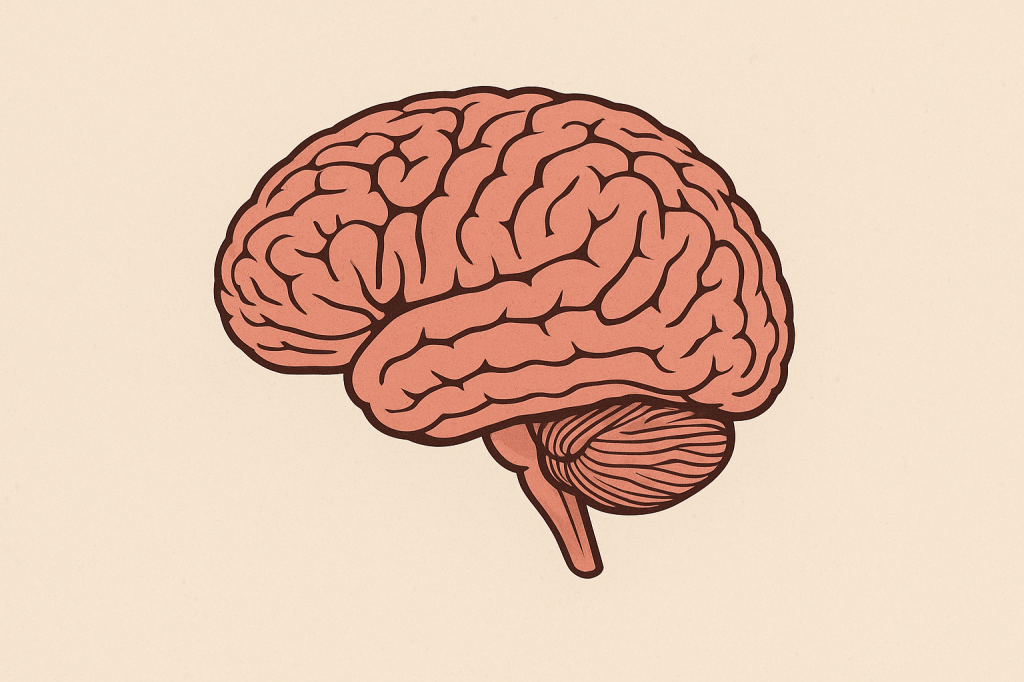
🧠 1. The Brain’s State During the Late Night
Neuroscience shows that the brain enters a special phase during the late night — just before dawn — dominated by alpha and theta brain waves.
These frequencies are associated with mental clarity, emotional balance, and creativity.
This matches perfectly with the Qur’anic description:
“Indeed, the rising of the night is more effective for concentration and more suitable for words.” (73:6)
Research in chronobiology also suggests that quiet, low-stimulation environments (like pre-dawn hours) activate neural circuits related to reflection, emotional regulation, and spiritual awareness.
💪 2. Early Waking and Physical Health
Medical research has consistently linked early waking and consistent sleep patterns to better physical well-being:
Improved hormonal balance — Early risers tend to have more regulated cortisol levels and better growth hormone secretion, supporting metabolism and recovery. Enhanced immune function — Quality sleep combined with early waking boosts T-cell performance and reduces systemic inflammation. Lower risk of depression — A landmark study by the University of Colorado and MIT/Harvard’s Broad Institute found that waking just one hour earlier reduced depression risk by 23%.
From an Islamic lens, these findings echo the wisdom behind Qiyam al-Layl — the idea that balance, discipline, and intentional wakefulness nourish both the soul and the body.
❤️ 3. Spiritual Serenity Meets Psychological Stability
Psychiatric research indicates that regular, peaceful routines that include early waking improve serotonin levels and emotional regulation — both crucial for mental resilience.
In Islam, this serenity has a divine explanation: during the last third of the night, it’s said that Allah descends and listens to those who call upon Him.
What believers experience as peace in prayer, scientists observe as stabilized brain chemistry and parasympathetic balance.
Two languages — science and faith — describing one reality.
🌅 Conclusion
Sūrah Al-Muzzammil is not just a command to worship at night — it’s a divine training plan for inner strength, focus, and peace.
Centuries before neurobiology and sleep medicine, the Qur’an taught that the night holds healing for the mind and light for the heart.
When science finally caught up, it didn’t contradict — it simply confirmed what revelation had always known.
📚 Scientific References
Besedovsky, L., Lange, T., & Born, J. (2011). Sleep and immune function. Pflugers Archiv – European Journal of Physiology. Link (PDF) Besedovsky et al. (2019). The Sleep-Immune Crosstalk in Health and Disease. Physiological Reviews. Link (PDF) NIH-Funded Study (2022). Sound sleep supports immune function. National Heart, Lung, and Blood Institute. Source Vetter, C. et al. (2021). Waking just one hour earlier cuts depression risk by 23%. University of Colorado Boulder / Broad Institute. ScienceDaily Irwin, M. (2021). Sleep and inflammation: partners in sickness and in health. Nature Reviews Immunology. Walker, M. (2017). Why We Sleep: Unlocking the Power of Sleep and Dreams. Scribner Publishing.
 HealthyJo